
Thanks for the invite to join in with the AGM today. A very positive experience and great to be able to put voices on faces that I have seem on pictures on this site..
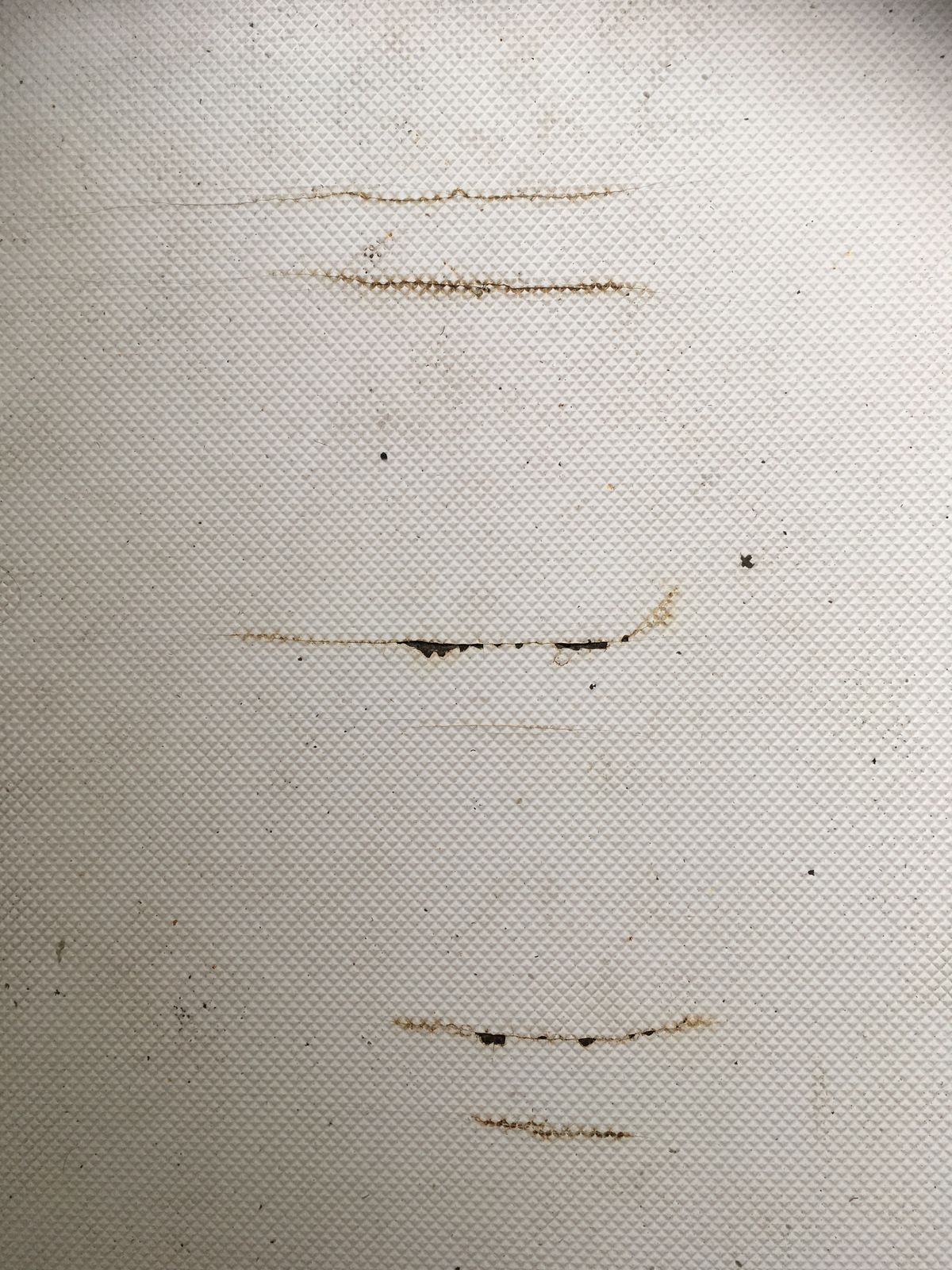
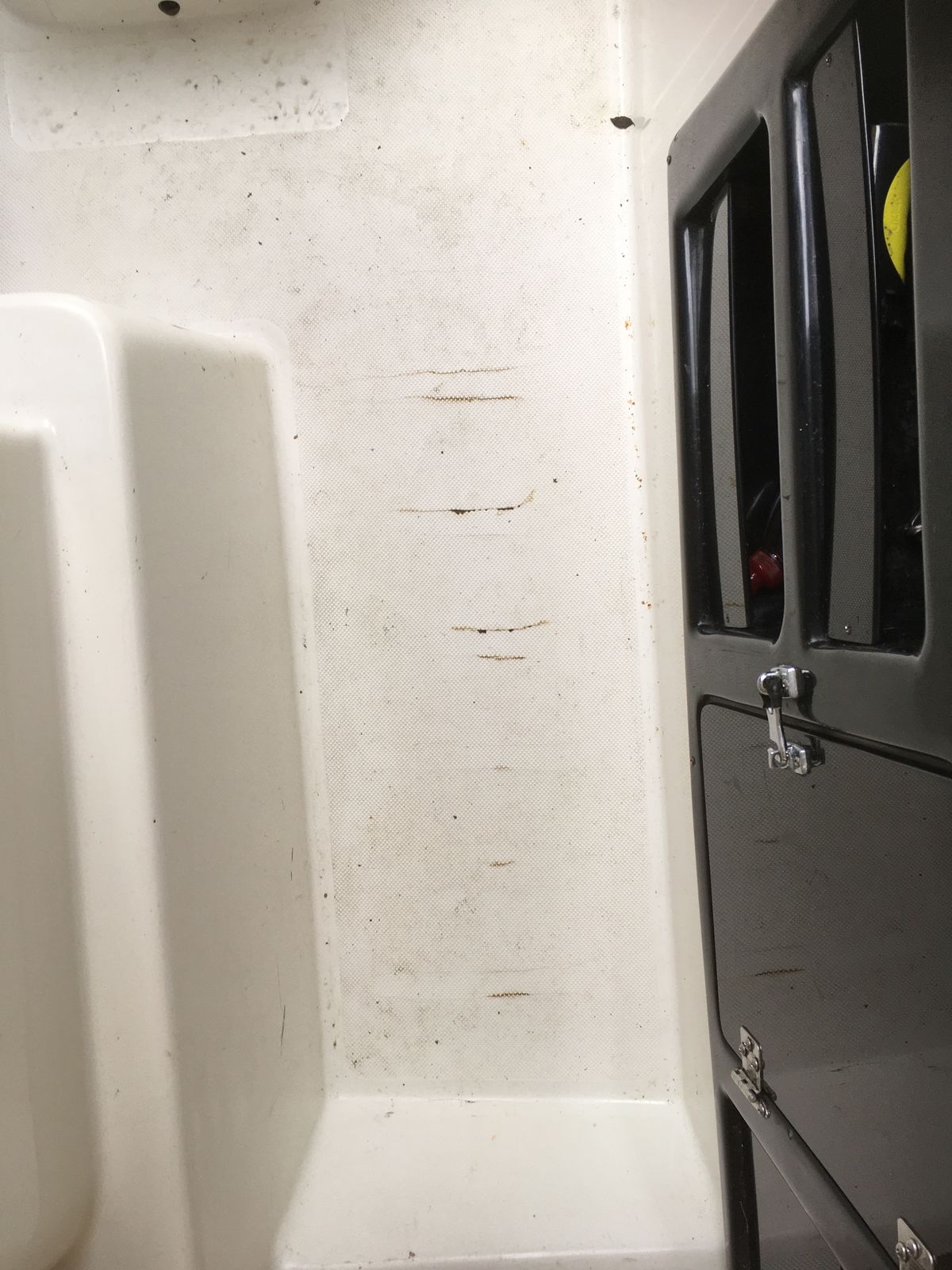
To follow up on something that I mentioned earlier at the AGM - cracks on my cabin floor.. My boat is a 1998 X and these (see photos) cracks have been on the boat since I bought it a few years ago. When I stand on them I can hear some squelching but the amount of water entering is very small.
Any comments / advice welcome.
AA42633D-F1E3-4814-81B6-EEE73C9C37EF
CF27716C-41CF-4EFE-B89B-B09E729F0119
—
Micheal Walsh
Before they put the floor in they put rolls of woven roving under it.
When the floor inner moulding is installed it flattens the rolls and supports the floor
The cracks are probably caused by lack of support
I had a similar problem when mine was new no cracks but plenty of flex.
The squelching is water.
I drilled 3 holes in the floor and filled the cavity with silicone rubber
You can get an air operated applicator which is easier on the hands (cheap)
It takes a lot of silicone but it is cheap
Put a bolts in the holes till it sets
When you get the silicone in you see the water come out.
Hi Allen,
Thanks for your reply. Wonder if I could use expanding foam??
Micheal
Micheal Walsh
I wouldn't try expanding foam for a number of reasons. It uses water to determine the density of the foam and will not properly displace the water that's there but will incorporate some of into itself and it will be impossible to get the right amount in. If you put in too much it will bow the floor upwards and if you don't put enough in it will not do the job and will risk trapping water already present in there permanently. I can see how silicone would work as although it too uses moisture to set it will displace any excess and the amount added can be carefully controlled.
Mike C Tarka 26M
Michael,
I asked a friend and fellow sailor who was a plastics engineer in his working days and this is his response but you seem to have something more positive from Allan.
Good Luck
I don't think anything can be done because you need access from both sides.
Where is the water coming from - is it the ballast tank? If not, why worry?
I have ugly gel coat cracks in my transom supports that have been there from the first year of ownership. Gel coat cracks are not covered in the 5 year warranty.
However, I asked very nicely and the Importer (IBS) said they would fill them in. Gave the boat to them for a week.
Collected it and towed it 100 yards to their yard entrance - got out to check the trailer was OK, as is my wont - and noticed the cracks in the transom had already returned - waste of time!!
Notwithstanding a lot of airborne activity and crashing into waves - the cracks haven't got much worse in 11 years.
Even if you did repair your cracks they would likely return PDQ as there are probably some stresses involved.
QED me thinks.
Simon
Thanks Mike & Simon. Food for thought.... Might just cover the lot up like I saw on John's (am I correct?) boat yesterday. Will wait until Tom takes a look at I first.
Micheal Walsh
The inner lining i.e. floor is not connected to the hull apart from the roll of glass cloth
If you put to much in you will see it come up between the floor liner and the ballast tubes that run for and aft.
I used expanded foam between the hull and the liner above the chine. no more rattle.
I did this 20 years ago I still have the boat and have never had any problem
Thanks Allan.
Micheal Walsh